
First Case Outside the U.S.! Japan Integrates Digital ID with Apple Wallet, Marking a Milestone in Digital Identity
First Case Outside the U.S.! Japan Integrates Digital ID with Apple Wallet, Marking a Milestone in Digital Identity
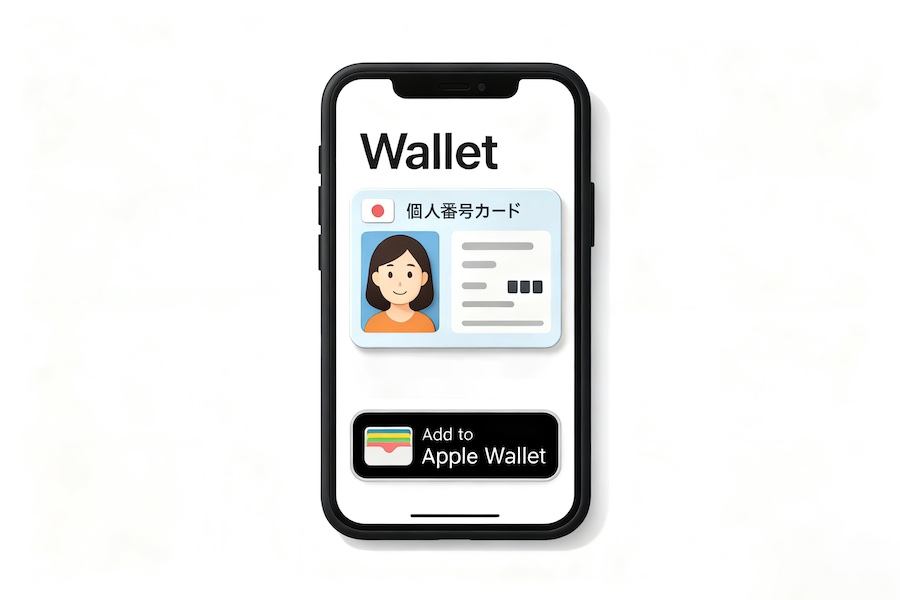
In recent years, countries worldwide have been actively promoting digital transformation, with digital identity cards being a core component of this shift. Recently, Japan, in collaboration with tech giant Apple, achieved a significant milestone: Japan’s national digital ID, the My Number Card, has been officially integrated into the iPhone’s Apple Wallet. This is not only Apple’s first support for an officially issued government digital ID outside the U.S. but also sets a new global benchmark for mobile digital identity.
My Number Card Overview
Japan’s My Number Card is a 12-digit national identification system assigned to all residents, including foreign nationals. It is a key identifier for tax, welfare, and disaster management purposes. The physical IC card includes a photo and can also serve as a health insurance card.
Integration with Apple Wallet
The integration officially launched on June 24, 2025, making Japan the first country outside the U.S. to support government-issued digital ID within Apple Wallet. iPhone users (iPhone XS or newer, iOS 18.5 or later) can use the My Number Portal app to add the physical card to their digital wallet. The process leverages NFC and the device’s secure element, alongside Apple’s security features such as encrypted storage and Face ID/Touch ID authentication, ensuring secure and private use.
For roughly 100 million cardholders in Japan, this integration significantly enhances convenience, reducing the need to carry physical cards for government services and official transactions. Currently, the digital ID in Apple Wallet supports core administrative functions, such as printing official documents at convenience stores and accessing online government services. Future plans include using it for health insurance verification and general identity checks in hospitals and pharmacies.
Why Japan Leads
Japan became Apple’s first international partner due to multiple strategic factors:
- High iPhone penetration:
As of May 2025, iOS holds 62.46% of the mobile OS market in Japan, providing a substantial user base. - Government digitalization commitment:
Japan’s government actively promotes the My Number system, with high-level support from former Prime Minister Fumio Kishida and Apple CEO Tim Cook. - Existing digital integration experience:
Success with Suica (2016) and PASMO (2020) transportation cards in Apple Wallet built public trust for government-level digital ID integration.
This successful integration demonstrates Apple’s scalable and secure framework for international expansion, providing a model for other countries.
Risks of Centralized Mobile IDs
Consolidating core identity information on a single mobile device raises privacy and security concerns. Loss, theft, or hacking could concentrate risk, turning mobile devices into potential targets for identity theft. This highlights the need for advanced, reliable digital identity verification systems to safeguard citizens.
Taiwan’s Digital Identity Approach
Halted New eID Program
Taiwan initially launched the New eID program in October 2020 to strengthen digital identity functions and facilitate online government services. However, it faced controversies over privacy, potential data misuse, surveillance concerns, and cybersecurity risks. Mandatory issuance raised constitutional concerns regarding personal information autonomy. The absence of clear legal frameworks further stalled the program.
TW DIW – Digital Identity Wallet Initiative
Taiwan is now focusing on the Taiwan Digital Identity Wallet (TW DIW) project as part of a broader digital transformation. TW DIW securely stores digital versions of essential credentials, including the national ID, health insurance card, driver’s license, and professional certificates. The goal is to simplify daily tasks such as prescription collection, ticketing, and telecom registration. While future integration with Apple and Google Wallet is under consideration, the priority remains on building a sovereign, government-controlled digital wallet.
This approach emphasizes public trust, transparency, and citizen control, including open-source prototypes and sandbox testing environments. Taiwan’s Mobile Citizen Certificate (TW FidO), launched in February 2022, already provides biometric authentication and access to over 238 integrated public services, serving as a precursor to TW DIW.
The Future of Mobile Identity
Japan’s integration demonstrates the potential for enhanced convenience and streamlined government services. However, it also underscores the trade-offs between convenience, privacy, security, and centralization
Japan leverages existing mobile ecosystems for rapid adoption, while Taiwan prioritizes sovereign control, decentralized data storage, and legal safeguards to mitigate security risks and maintain public trust.
Taiwan’s experience highlights that digital identity initiatives must balance efficiency with citizen rights, privacy, and societal trust. Successful systems require strong legal foundations, transparent data-use policies, decentralized architectures, and robust citizen control over personal data. Initiatives like TW DIW aim to embody these principles, though ongoing security and fraud challenges indicate that digital identity development remains an evolving process requiring continuous technical, legal, and societal innovation.
Article Source:https://vocus.cc/article/685dee60fd897800010fd284